A Taste of South African Heritage: Traditional Favorites
South African cuisine is a vibrant tapestry woven from diverse cultures and histories. From the indigenous flavors of the Khoisan people to the influences of Dutch, French, Indian, and Malay settlers, the country's culinary landscape is as rich and varied as its people. At Khaya Lami Foods, we celebrate this heritage by bringing you authentic recipes and stories behind some of South Africa's most beloved traditional dishes. Prepare to embark on a gastronomic journey that will tantalize your taste buds and deepen your appreciation for the rainbow nation's culinary treasures.
Bobotie: A Spiced Minced Meat Masterpiece
Bobotie, often considered the national dish of South Africa, is a flavorful minced meat dish baked with an egg-based topping. Its origins can be traced back to the Cape Malay community, who brought their culinary traditions to South Africa in the 17th century. The name "Bobotie" is believed to derive from the Malay word "boemboe," meaning spices. The dish typically incorporates a medley of spices like curry powder, turmeric, coriander, and dried fruit, creating a symphony of sweet and savory flavors. It's traditionally served with yellow rice, chutney, and a sprinkle of toasted almonds.
The subtle sweetness of the dried fruit and the aromatic spices make Bobotie a truly unique and satisfying dish. Every family has their own version of the recipe, passed down through generations, making it a quintessential comfort food. Its enduring popularity speaks to its versatility and its ability to evoke feelings of warmth and nostalgia.
Recipe Highlights:
- Spiced minced meat baked with an egg custard topping.
- Infused with curry powder, turmeric, coriander, and dried fruit.
- Traditionally served with yellow rice and chutney.
Biltong: South Africa's Prized Dried Meat
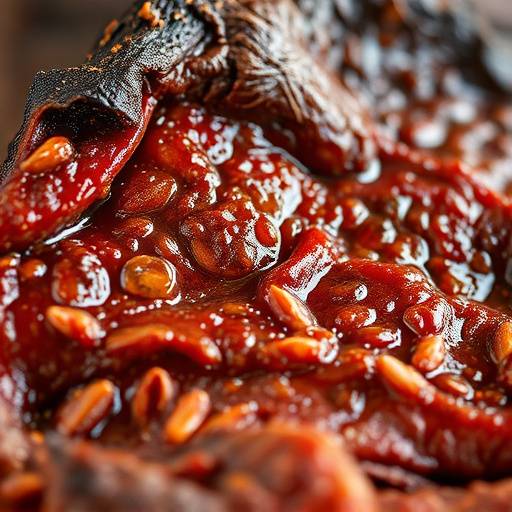
Biltong is a form of dried, cured meat that originated centuries ago with the early settlers of South Africa. It was initially created as a way to preserve meat without refrigeration, allowing pioneers to have a readily available source of protein during long journeys. Biltong is typically made from beef, but can also be made from game meats like kudu or springbok. The meat is marinated in a mixture of vinegar, salt, coriander, pepper, and other spices before being air-dried. Unlike jerky, biltong is typically thicker and not smoked, resulting in a richer, more intense flavor.
Biltong is more than just a snack; it's a part of South African culture. It's enjoyed at sporting events, family gatherings, and as a daily treat. The art of making biltong is often passed down through families, with each butcher having their own secret spice blend. Its savory, meaty flavor makes it an irresistible snack that embodies the spirit of South Africa.
Recipe Highlights:
- Air-dried, cured meat marinated in vinegar and spices.
- Typically made from beef or game meats.
- A staple snack enjoyed at various occasions.
Malva Pudding: A Sweet and Sticky Delight

Malva Pudding is a spongy, caramelized pudding of South African origin. Its name likely comes from the Afrikaans word "malvapoeding," although the exact etymology remains a bit of a mystery. The pudding is characterized by its light and airy texture, soaked in a hot, buttery caramel sauce after baking. It's often served warm with custard or ice cream, making it the perfect comforting dessert on a cold winter's night.
Malva Pudding's rich, buttery flavor and delightful texture make it a beloved dessert in South Africa and beyond. Its simple ingredients belie its exquisite taste, making it a popular choice for both home cooks and professional chefs. Whether enjoyed after a hearty braai (barbecue) or as a special treat, Malva Pudding is sure to satisfy any sweet tooth.
Recipe Highlights:
- Spongy, caramelized pudding soaked in a buttery caramel sauce.
- Served warm with custard or ice cream.
- A comforting and beloved South African dessert.
Boerewors: The Sausage of the Farmer

Boerewors, meaning "farmer's sausage" in Afrikaans, is a type of sausage that originated in South Africa. It's typically made from beef, but can also include pork or lamb, and is coarsely ground with spices like coriander, cloves, and nutmeg. A key characteristic of boerewors is its high meat content (at least 90%) and the presence of vinegar. The sausage is traditionally grilled over an open fire (braai) and served with pap (maize porridge) or in a boerewors roll (a hot dog bun).
Boerewors is more than just a sausage; it's a symbol of South African culture. It's a staple at braais, celebrations, and sporting events. The distinct aroma of boerewors grilling over the coals is synonymous with South African hospitality and camaraderie. Every butcher has their own unique recipe, but the essence of boerewors remains the same: a flavorful, meaty sausage that embodies the spirit of the South African farmer.
Recipe Highlights:
- Coarsely ground sausage made from beef, pork, or lamb.
- Seasoned with coriander, cloves, and nutmeg.
- Traditionally grilled over an open fire (braai).
Sosaties: Skewered and Spiced Meat Delights

Sosaties are marinated, skewered meat kebabs that are a popular dish in South Africa, particularly within the Cape Malay community. The name "sosatie" is derived from "sate" (skewered meat) and "saus" (sauce). These skewers typically consist of cubed lamb, mutton, or beef, marinated in a blend of onions, garlic, spices, tamarind paste, and dried apricots, offering a unique sweet and savory profile. Often, vegetables such as bell peppers, onions, and dried fruit are added to the skewers, creating a visually appealing and flavorful dish.
Sosaties are an integral part of South African braais (barbecues) and festive gatherings. Their preparation often involves marinating the meat overnight, allowing the flavors to deeply penetrate, resulting in tender and aromatic kebabs. The combination of sweet, sour, and spicy notes makes sosaties a culinary adventure that reflects the diverse cultural influences of South African cuisine.
Recipe Highlights:
- Marinated meat kebabs, typically lamb, mutton, or beef.
- Marinated in a blend of spices, tamarind paste, and dried apricots.
- Often includes vegetables such as bell peppers and onions.
Bunny Chow: A Durban Curry in a Loaf
Bunny Chow is a South African fast food dish consisting of a hollowed-out loaf of white bread filled with curry. Originating in Durban, home to a large Indian population, during the apartheid era, the bunny chow provided a convenient and portable way for Indian laborers to carry their lunches. The curry, traditionally made with mutton or beans, is richly spiced and simmered to perfection. The bread acts as both a container and a sponge, soaking up the flavorful sauce.
Bunny Chow is more than just a meal; it's a cultural icon of Durban. It's a popular street food, enjoyed by people from all walks of life. The dish's name is believed to be a combination of "bania" (an Indian merchant caste) and "chow" (slang for food). Whether enjoyed mild or spicy, Bunny Chow is a testament to the fusion of Indian and South African flavors.
Recipe Highlights:
- Hollowed-out loaf of bread filled with Durban curry.
- Curry is typically made with mutton or beans.
- A popular street food dish from Durban.
Melktert: A Creamy Custard Tart
Melktert, meaning "milk tart" in Afrikaans, is a traditional South African dessert consisting of a sweet pastry crust filled with a creamy custard made from milk, eggs, sugar, and a hint of cinnamon. The tart is typically baked until the custard is set and golden brown, then dusted with cinnamon before serving. Melktert is believed to have originated with Dutch settlers in the Cape Colony, and is similar to the Dutch "mattentaart".
Melktert is a beloved dessert in South Africa, often enjoyed as a teatime treat or as a sweet ending to a meal. Its creamy texture and delicate cinnamon flavor make it a comforting and satisfying dessert. Whether homemade or bought from a bakery, Melktert is a taste of South African heritage.
Recipe Highlights:
- Sweet pastry crust filled with a creamy milk custard.
- Flavored with cinnamon.
- A traditional South African dessert.